Monika Maroziene at MoCA: Art Residency in the heart of Venice and Treviso
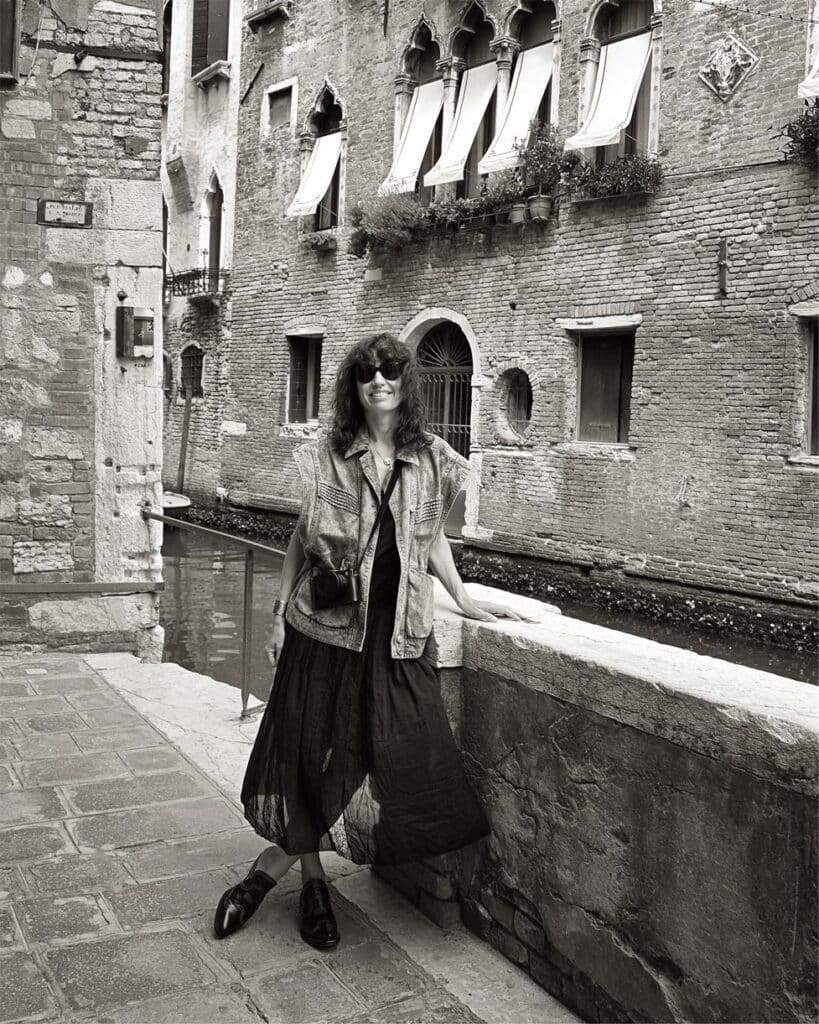
Artist Monika Maroziene has recently concluded a 2-week residency period in Venice, hosted by the MoCA Association (founder association of Arte Laguna Prize). The residency was created after the artist had been nominated as winner for the Special Prize of Arte Laguna Prize 20th edition.
The artist’s experience was driven by her desire to explore Venice’s hidden locations, away from tourists and masses, exploring places like Alberoni, Lido and near islands.
To learn more about the experience, we interviewed Monika Maroziene.
THE RESIDENCE – INTERVIEW
How did you feel about winning the Residency Program of MoCA?
Winning the MoCA Residency felt like someone quietly saying, “Keep going.”. My practice has always grown from long periods of working alone, questioning, experimenting, and often not knowing where an idea would lead. To have that process recognized was incredibly moving. It also felt like a beginning rather than an achievement. The residency wasn’t simply an award, it was permission to slow down, take risks, and follow ideas that I might otherwise have left unexplored. As an emerging artist, moments like these give you confidence not because they provide answers, but because they remind you that curiosity is worth trusting.
How did you start your career as an artist?
My path into art wasn’t straightforward. I studied chemistry first, fascinated by how invisible processes shape the physical world. But somewhere between laboratories and formulas, I realized I was searching for something science alone couldn’t explain. Photography became that missing language. It allowed me to combine analytical thinking with intuition, memory and emotion. Growing up on Lithuania’s Amber Coast, I was surrounded by shifting dunes, endless horizons and the rhythm of the Baltic Sea. Those landscapes stayed with me long after I left. Today, they continue to appear in my work, not as documentary images, but as emotional landscapes shaped by memory. In many ways, chemistry taught me how materials behave. Photography taught me how memories do.
Tell us about the work that you have developed during your stay.
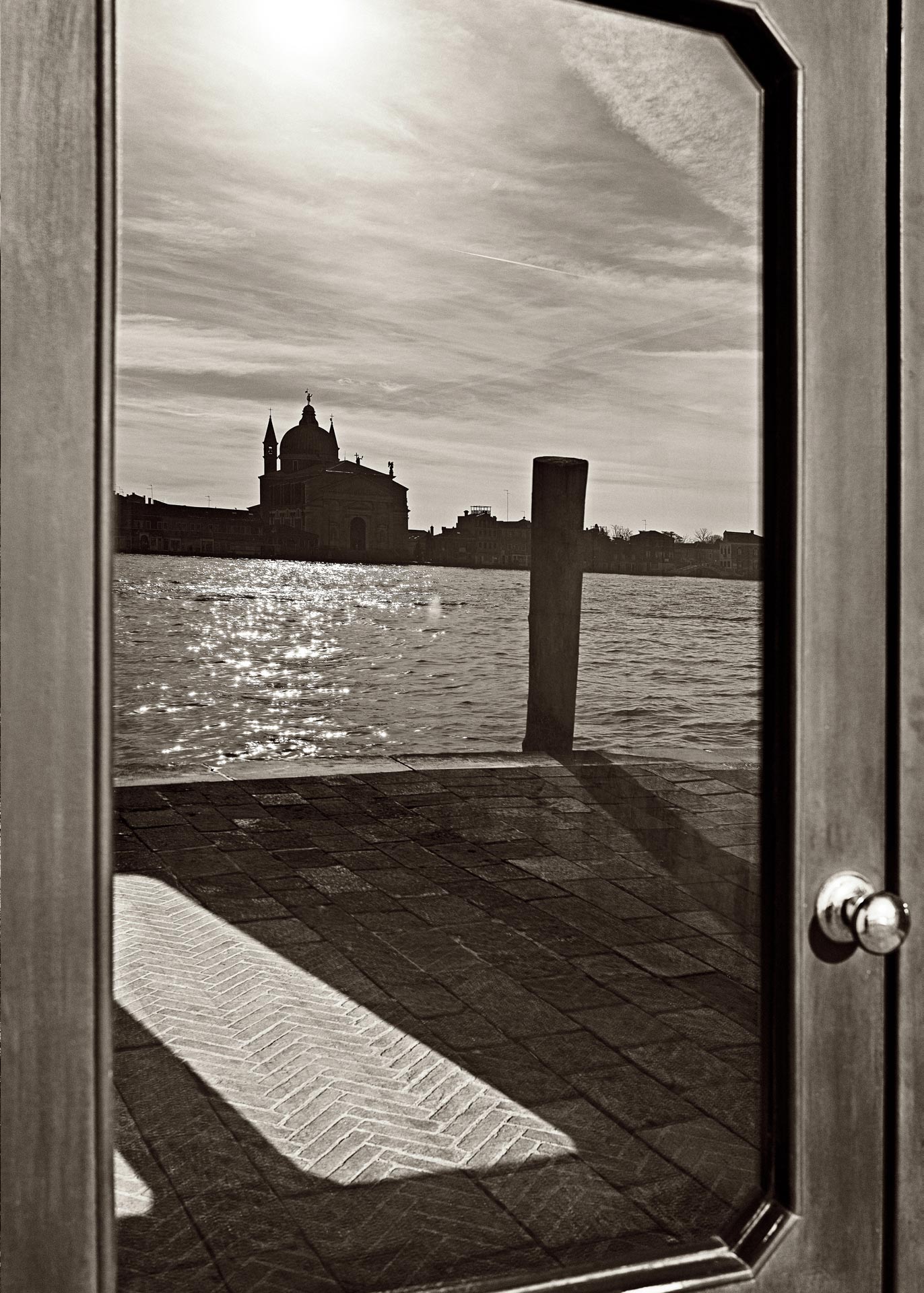
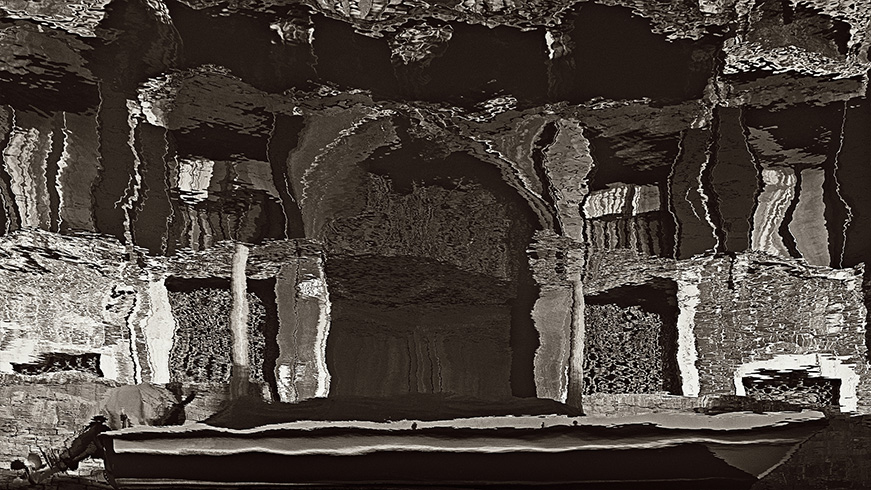
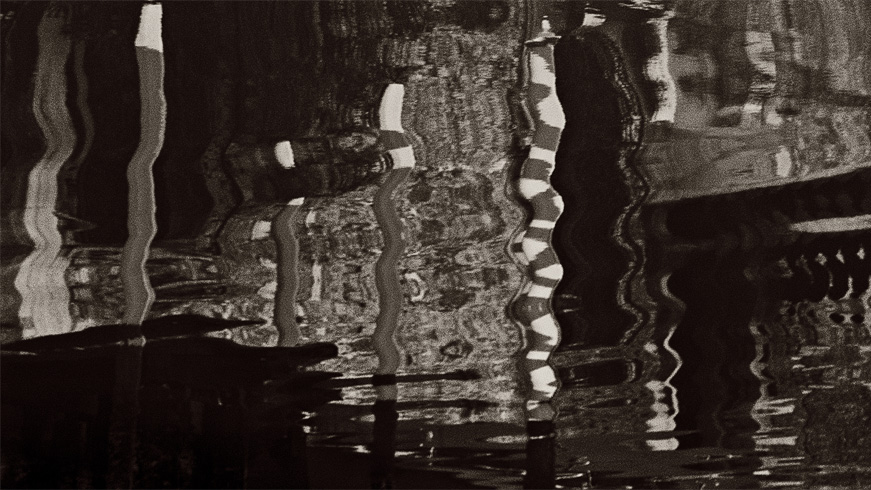
During the residency, my Amber Coast project evolved in an unexpected direction. The work began with amber, a material that preserves fragments of time, but Venice invited another conversation.
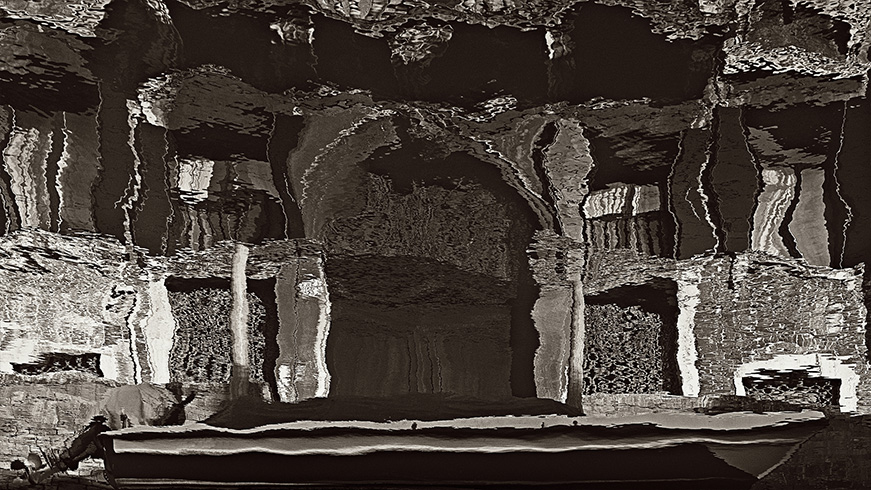
Instead of permanence, I became fascinated by water, movement, erosion and constant transformation. The Baltic Sea of my childhood met the Venetian lagoon, creating a dialogue between two landscapes connected by memory but separated by geography. I started thinking less about preserving the past and more about what happens when memories change shape.
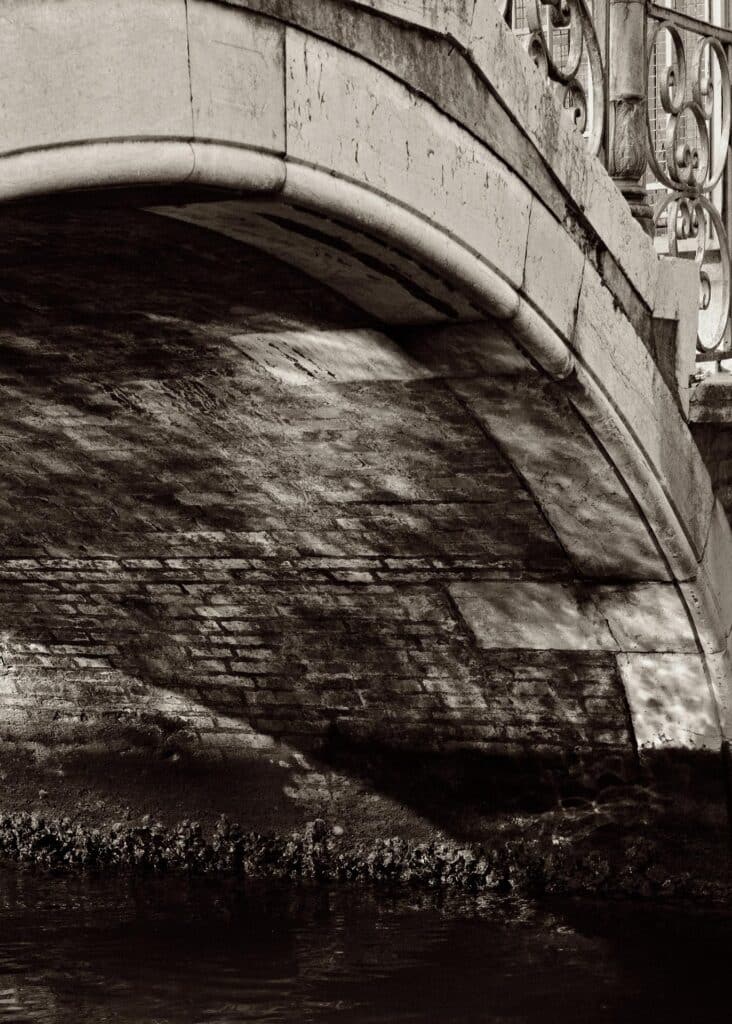
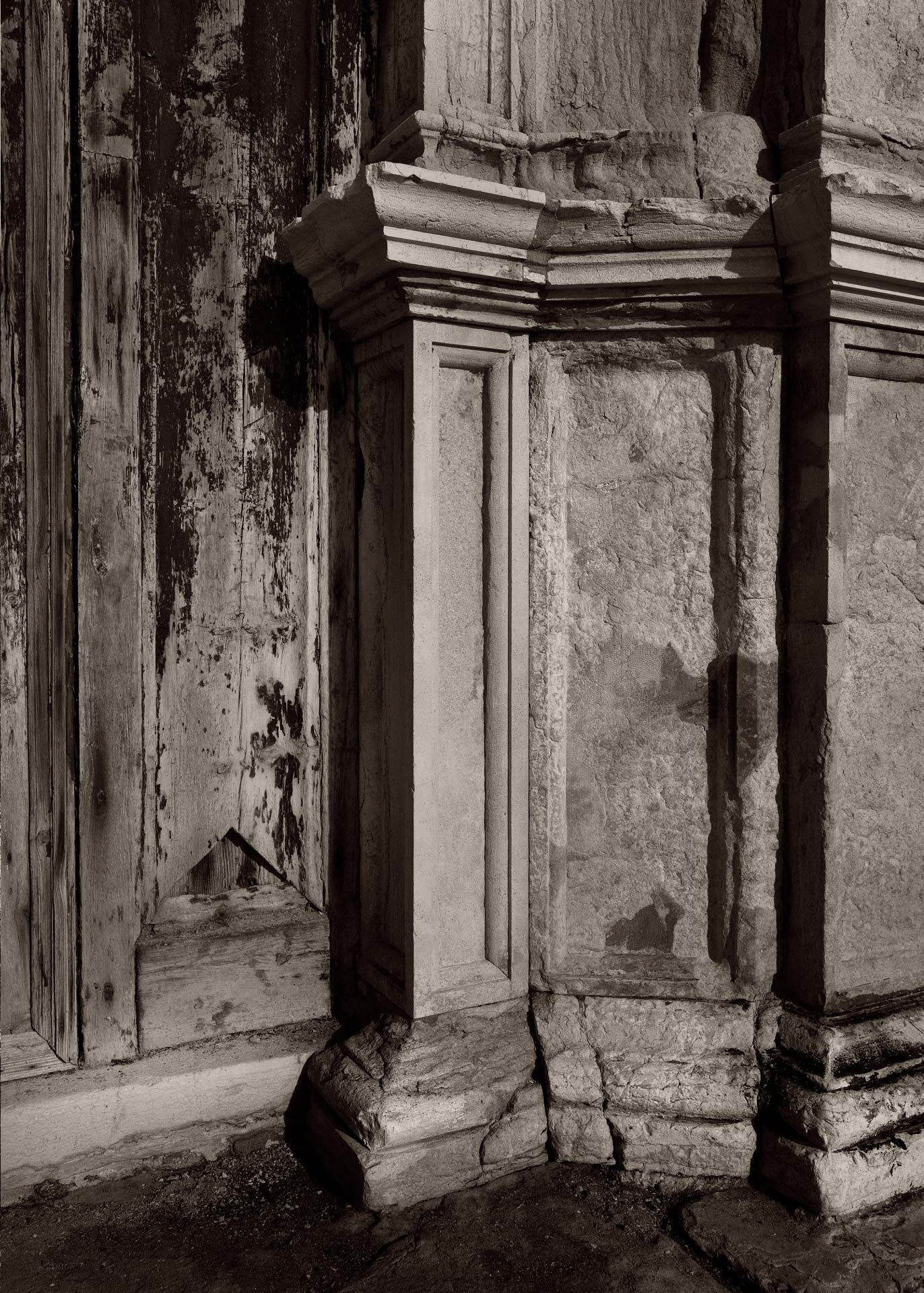
Salt, humidity and fragile surfaces became collaborators in the process rather than obstacles. The resulting images sit somewhere between photography and material experiment, asking whether memory is ever fixed or if it is always quietly rewriting itself.
What are your feelings about the experience? Did the residency gave you the space and time to develop new ideas and projects?
Absolutely.
One of the greatest gifts of a residency is time, something that often feels like a luxury for emerging artists. Without the pressure to produce immediate results, I was able to observe more carefully, experiment more freely and allow ideas to develop at their own pace. The residency reminded me that creative work doesn’t always happen through constant action.
Sometimes the most important part is simply paying attention. That slower rhythm helped me trust uncertainty, embrace accidents, and discover new relationships between photography, materiality and memory that I hadn’t anticipated before arriving.
What I’ll remember most isn’t only the work I produced, but the conversations, the silences and the feeling of being surrounded by people who understand the value of making art. As artists, we spend a lot of time questioning ourselves. Residencies create rare spaces where that uncertainty becomes something shared rather than something to overcome. I hope programmes like MoCA continue to support experimentation over perfection, because that’s often where the most honest work begins. And if someone reading this is wondering whether to apply for a residency one day—do it. You don’t need to arrive with all the answers. Sometimes the best work starts with a question you’re brave enough to follow.
– M. Maroziene (Artist)
We use cookies on our website to give you the most relevant experience by remembering your preferences and repeat visits. By clicking “Accept All”, you consent to the use of ALL the cookies. However, you may visit "Cookie Settings" to provide a controlled consent.
This website uses cookies to improve your experience while you navigate through the website. Out of these, the cookies that are categorized as necessary are stored on your browser as they are essential for the working of basic functionalities of the website. We also use third-party cookies that help us analyze and understand how you use this website. These cookies will be stored in your browser only with your consent. You also have the option to opt-out of these cookies. But opting out of some of these cookies may affect your browsing experience.
DONA IL 5x1000 A MOCA! Inserisci nel 730 il nostro CF: 94114250262